


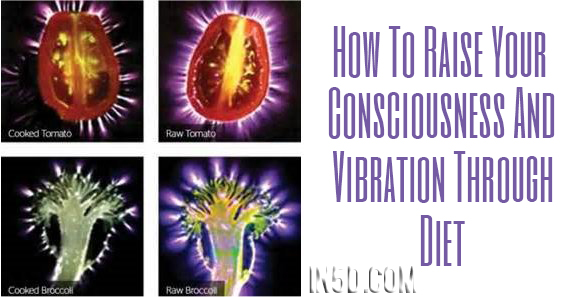
How To Raise Your Consciousness And Vibration Through Diet

by Bridget Nielsen,
The Perfect High Vibrational Diet
The growing question for many people in this time of awakening is, “what is a high vibrational diet?”, and “How to raise your consciousness and vibration through diet?” I have been asking myself since I was a little girl. I was the child who asked for bitter tea, a sprout avocado pita and strawberries for dessert. WHY? One good reason is because my dad put it on my plate, but there was more to it than that! From a very early age, I knew that there was a direct connection between my state and what I ate. In this blog I am going to explore how diet ties into your vibration, and how you can make simple changes (15 easy steps at the bottom) that can really assist you in these crazy awesome transformational times.
Donate to In5D
With over 6,000+ free articles and 1,200+ free videos, any donation would be greatly appreciated!
Much love for your kind donation,
Gregg
A high vibrational diet consists of foods that are ALIVE and that positively benefit the person, as well as the planet as a whole. High vibration means having more light, and thus less density. Plants exemplify this by photosynthesizing light into energy.
In my experience I haven’t found the perfect, “highest vibrational diet” to follow. The idea of following is falling away. At this stage of the human game, it has become necessary to more fully rely on your own intuition in combination with experts and science you resonate with. We are meant to become self-empowered and know what is our own highest good. We are each soooo unique and in such different circumstances, that there is no one right diet. What I can say is there IS a very specific vibration and global reverberation to each food you eat.
Humanity Is Lightening Up
In desiring to become more enlightened, you will naturally find yourself lightening up. Humanity is awakening to its connection to Source and its ability to turn infinite accessible light into physical energy.
Monks and Chi Gong masters generate chi from their own internal Light Source, and can even generate enough energetic heat to sweat in the freezing cold. Breatharians “eat” light, like plants, by taking in the sun’s energy and breathing prana. When people become consciousness that bodies are densified light, then they will act as their own free energy devices. In the meantime, you can prepare your body and mind for these new levels of energy conversion and generation with nourishing, high vibrational foods.
Expansion requires humanity to more fully embrace its connection to nature and simultaneously open to higher frequencies that extraterrestrials utilize. Humans are upgrading physically as well as energetically, to a higher density, enabling rekindled ET connections. Present humans are more sensitive and light than the humans of the past, thus requiring less dense and more living, natural foods.
Food Is Very Personal
Food is a sticky subject. People are very identified with what they eat. In times of stress people often use food for emotional comfort. This approach is understandable based on the challenges of everyday life. There are more balanced, long-term ways of creating natural states of harmony through cleansing and dietary choice.
“Many people are not aware of how large of an effect their diet has on their state of being. Your physiological health is literally the platform for your consciousness. The Nero-transmitters and hormones responsible for your moods and state of being are directly correspondent to your nutritional intake, as well as the level of toxins that are present in your system. You are what you eat and if you’re eating dead chemical filled junk, you will feel like dead chemical filled junk…” -Patrick Haize, from Transformation Reversing Old Habits
One of the most important keys to raising your vibration through diet are the thoughts you create around it. Thoughts are vibration. Be kind to yourself and be aware of judgements you hold against yourself and other people’s dietary choices. Whether you can circumstantially make these changes or not, sending love and gratitude to your food, and all that it took to get to your plate makes a big difference. Be present while you eat, chew, breath and feel appreciative for this energetic exchange.
Detox Before Listening To Your Body
You may have heard people say, “Listen to your body, it will tell you what to eat.” This is only part of the equation. You also need to detox so you can clearly listen to what your body’s natural communication.
Many of these things, from emotional imbalances caused by phytoestrogens to parasites throughout the body, even have the ability to dictate your thoughts. Parasites are one of the few things on Earth that kill their own environment and we have them crawling in us. With all of these toxins in your systems, how can you can hear the call of our natural self?
The most important thing you can do to transition to a higher vibrational diet is to DETOX and CLEANSE the system so you can hear what your body and the world really needs. There are many ways to do this. Here are some great resources: Ken Rohla’s detox videos & products, Dr. Shultz cleansing programs, The Zapper, Bashar’s simple detox recommendation.
Many of the nutrients and nourishing things you intake do not satiate the body’s needs because they are unable to be absorbed with toxins in the way. I recommend trying various cleanses and detoxification protocols to assist with this. After taking those steps, notice what your body craves, and how much more satisfied it feels with less.
Measured Vibrations Of Food
Frenchman André Simoneton, an expert on electromagnetism, created an experiment in the 1930’s and 40’s measuring the electromagnetic waves of particular foods. He found that for a human to be at good health they must maintain a vibration of 6500 angstrom. Source of this information: www.healthcenternutrition.webs.com
Foods that he rated in his “first category”, with the highest vibration were, between 6,500 and 10,000 angstrom, included: fresh fruits, vegetables, olive, sweet almonds, sunflower seeds, coconut, soy (since been modified), peanuts, hazelnuts and whole grains (whole grains have since been chemically hybridized, read more below).
In the second category, with radiations 6,500 to 3,000 angstroms, are the vegetables cooked in boiling water, milk, fridge butter, eggs not freshly laid, honey, cooked fish, peanut oil, sugar cane and wine.
The third category, with very weak radiations below 3,000 angstroms, is comprised of cooked meats, sausages, coffee, (black) tea, (regular) chocolate, jams, processed cheeses and white bread.
The fourth category, exhibits practically no energy and includes margarine, conserves, alcoholic spirits, refined white sugar and bleached flour.
Using Simoneton’s method, consuming foods below 6,500 angstroms would hinder, and deteriorate our natural vibration and health.
Incorporating Raw Food
Nature gifted us foods that are naturally full of life. When you cook food and change its state by adding heat, you change its vibration, nutrient content and vitality.
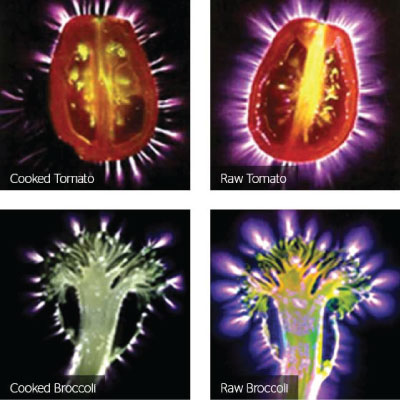
There is a prevailing belief that you need to cook your food to kill harmful bacteria, but in doing this you also kill the life force of fruits and vegetables, as well as the nutrient content by about 1/3 or more. This is mainly done for preservation purposes and shelf-life. In the past we preserved foods by fermentation (the first ketchups) and other natural methods such as salting, cooling and drying foods, which maintained the life force as well as preserving it. Chemical additives used for preservation also toxifies foods.
I’ve found that everything my taste buds dream of can be made raw from lasagna to pizza, brownies, berry jams and grain-free bread… it’s all possible. Often times we associate raw diets with eating only cold foods, fruits, vegetables and salads. Transitioning to a highly raw diet takes time and doing it correctly is an art form.
Vegetable soups and other dishes can be warmed up to 105-115 degrees and still maintain their vibrational integrity. When preparing legumes, root vegetables, and starches, soaking and higher temperatures are often needed to extract their medicinal benefits. According to Simoneton, the vibration of the foods we just named go up when properly “cooked” (click here to read more about how to properly prepare these items).
There are many longstanding pioneers in the raw food movement who I have come to trust two of which are Gabriel Cousens and David Wolfe. One of the most amazing examples of a raw food pioneer is 110 year old Fernando, the oldest man in America.
Quality Of Food
The vibration of food is derived from the energy it was created with. The vitality of a wild herb found in a remote forest, is going to have a very different energy than a non-organic herb grown in a factory on the side of the freeway, just outside of metropolitan area.
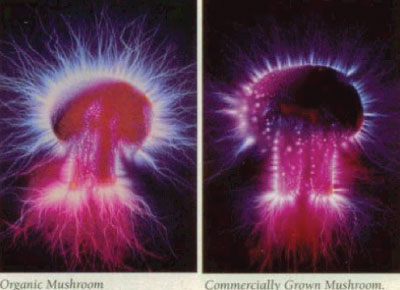
In the picture on the left, you can see the kirlian photography, which depicts the energy and aura radiating from two different mushrooms. You can see that the organically grown mushroom, on the left, has more light and vibrancy than one the commercially grown mushroom on the right.
The more natural and higher quality foods we can buy, the higher the vibration will be. Growing your own food would be the best way to receive the most vitality from your food. When you grow your own food you have the ability to: Use spring water (upping nutrient content & reducing chemicals), feed plants with natural organic nutrient dense supplements, raise the vibration with ormus, grow with the cycles of the season & moon, utilize zeolites take out heavy metals and toxins, and connect the food with your DNA (popularized by the Anastasia books, explaining many processes like activating the seed with your saliva) and send them your own loving intention. For more on amping up your garden, I highly suggest information by Ken Rhola from Fresh & Alive.
When gathering food to eat just do your best. Some of the things you can implement if growing your own food is not available are: Shop at local farmer’s markets, join a crop sharing group, shop at local co-ops, buy organic non-GMO foods at the store, and biodynamically grown foods. The nutrient content (and likely the vibration) goes down by 1/3 from transporting the food from farm to store, so shopping locally would increase the vitality of your food. If money is a challenge and even if it is not, look for local fruit trees or edible treasures you can wild harvest. Often times the highest vibrational foods are freely given by nature all around you. Set up trade and barter with your local farmers by sharing your gifts and services. Everything is possible when you are open and willing to receiving the solution.
Repercussions Of Food
Everything and everyone is interconnected. Each action you take shifts your macrocosmic experience.
If the impact of the food being produced is negatively impacting the planet, then there’s a high likelihood that the food will have a lower energetic vibration. If a food has a high vibration, then it would by definition have been produced in a way that is in harmony with all the lifeforms touched in its production cycle.
I recommend reading Patrick Haize’s article, The Global Impact of Our Diets & Everyday Everyday Lifestyle Solutions for more on this subject. It parallels the theme of this blog and goes in depth on the global impact of diet, and has a rich library of educational resources and solutions.
“… Animal agriculture is arguably the most environmentally damaging industry in the world. Animal Agriculture takes up 45% of the entire world’s land-space and is alone responsible for 51% of all worldwide greenhouse gas emissions, 80-90% of US water consumption, and 91% of Amazon destruction. It is also the leading cause of species extinction, ocean dead zones, water pollution and habitat destruction in the world, and this is only a small fraction of the statistics.” -Patrick Haize, The Global Impact of Our Diets & Everyday Everyday Lifestyle Solutions
No matter what society has become accustomed to eating, we are at a point where we must change what we eat and wean ourselves from foods that are irreversibly destroying the very planet that sustains us. If you eat an animal rather than a plant you’re getting your energy secondhand which is much less efficient. We will need to cut back and cut out certain animal products to bring the Earth back into balance, due to the disastrous effects of commercial farming, agriculture and fishing. If you were going to consume animal products, get them from sources that do not use hormones and antibiotics and treat the animals well.
It may be challenging acknowledge and to really feel the true impact of what it means to eat what you eat. It is scary to take responsibility for destruction on Earth, but a HUGE part of shifting your vibration is becoming fully conscious of your actions and choosing differently. It is time to be courageous, adaptable and open to positive change within yourself to effect the whole in a beautiful way.
Locational And Cultural Dietary Influence
The location of where you live has a vibration. Whether it is a city or a natural place, the pace and frequency will determine the diet of its inhabitants. The climate and products available are another determining factor of a locational cultural diet. Scientists are now discovering in teleportation, that location is a variable of the object. This means that location changes our human vibrational signature. Since location is a variable of your vibrational person, the place you live has a huge impact on who you are and what you eat.

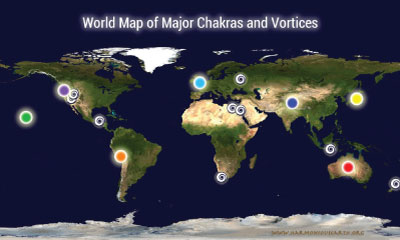
What are the cultural food beliefs of your location? People are subconsciously, and sometimes very obviously influenced by those around us. Often times people’s choices are heavily influenced by an overruling collective momentum. To shift your dietary choices, it is important to step out of collective programs, and the locations that house them and choose what you prefer from your own natural intuition. This can can be done by taking time camping in nature to reset your system or visiting Earth power points that hold a more neutral collective energetic field. Everything is possible everywhere, but certain lifestyle and vibrational choices can be made easier in certain locations.
My Personal Observations: I was raised on a vegetarian diet in Utah (born in 1987) which was quite challenging. My diet was the complete opposite of everyone I knew and I felt others relentless judgements of my choices. Our family created a energetic bubble to make this dietary choice a reality because of the lack of cultural support. When I headed off to California for college, I immediately felt a new “cultural pressure,” as well as what the environmental offering, to eat fish. Because the Southern California culture is so physically healthy, I felt supported by having fresh juices, organic restaurants all around and a healthy lifestyle as the social standard. When I went abroad to Europe, the culture of those places left almost no room for me to be vegetarian (at the time). If I wanted to participate with others I knew I had to adapt so I began eating meat for a short time. As I moved from place to place, I could feel the programed dietary imprint of each place and culture. When I landed in midwestern US cities, I craved chocolate milk and heavy foods. When I was in away from people in nature, all I wanted to eat were light raw foods. I found it very interesting how the culture, location and climate made such a big impact on me. I want to reiterate that every type of lifestyle and diet is possible anywhere once you become aware of any unconscious patterns and choose to act on what you prefer.
Incorporating Dietary & Lifestyle Solutions
Everyone has the ability to choose, in every moment, who they are and how they want to live. As many of you know, fad and drastic diets shifts do not have long-term fortitude. One of my favorite things to do is incorporate dietary solutions before letting go old patterns.

The most important thing in shifting to a higher vibrational diet is to be kind to yourself. Self-love and appreciation will allow any shame or self-sabotage to dissolve which will empower you to take baby steps in a new direction. A question you can ask yourself each day is, “how can I nourish and better take care of my mind-body-soul today?”
Many of the “not so good for us” dietary decisions we make are due to jobs, relationships or lifestyles that are not in alignment with our natural selves, thus leading to “emotionally eating” to come back to equilibrium. This is okay! Let yourself become aware of the choices that lead to these actions, and see what beliefs you can change to enable you to lead a more healthy and holistic life.
Healthy foods make a big difference to our energy states, but there other things you can incorporate that will assist your vibration such as conscious breathing, movement, dancing, time in nature, meditation and a million other activities you can do that will renew the mind-body-soul at a very deep level, thus leading to healthier dietary choices.
15 Simple Transitionary Dietary Solutions I Can Do Today!
As you look at this list, just choose 1 or 2 items to incorporate over the next few weeks. Then come back, and add in something else next month. Baby steps. It is good for the body, mind and soul to transition at a natural pace.
1. Determination and Willingness to be Different: The most important key to transition to a high vibrational diet is to change your beliefs. An open, willing and determined mental and emotional shift is required to make a longstanding difference. A commitment to yourself as well, as a plan to “stay on track” such this list here, to incorporate solutions and adapt to a new way of being. It can be challenging being around friends and family who may make comments or start challenging dietary discussions. This comes with the territory of stepping out and being who you truly choose to be.
2. Go Organic, biodynamic, wild, and local: Do the best you can to incorporate non-GMO and organic foods in your diet, as I shared above. This will make a huge difference!!
3. Spring Water: Tap water and many corporate water bottling companies have toxic chemicals such as fluoride, heavy metals, chlorine, BPA and other toxins. It is also stagnant and does not hold the life-force of energized natural water sources our ancestors used to drink from. Spring water has been contained underground in aquifers for thousands of years, not exposing it to the pollution and contamination on the Earth’s surface. Many people are switching to reverse osmosis or kengan water which draws minerals from the body. In most areas throughout the world, there is accessible spring water to start drinking. I suggest buying a few 5-6 gallon BPA free or glass water jugs, and making it a ritual to collect fresh spring water every few weeks. To find a spring in your area click here.
4. Cleanse & Detox: I already said this above, but I want to reiterate it again. Cleansing will help your body optimally function and clear the way for you to absorb all of the nutrients you are taking in.
5. Mineralize: Often times when you are hungry or tired, it is your body seeking minerals. Many foods lack the essential fulvic acids (rich minerals) that were once naturally in the soil. By eating super mineral rich foods and supplementing fulvic acid, we give the body what it really wants that our fruits and vegetables have lower amounts of. Mineralized foods that are easy to incorporate: Sea salt (celtic is my favorite), sea vegetables (full of iodine and mineral rich) such as nori, kelp, irish moss and dulse, fulvic acid supplement, organic lemon water, organic non-gmo organic miso (Miso Masters or South River Miso) and other cultured foods such as kimchi and sauerkraut.
6. Sugar: Many of us know by now that refined sugar is really bad for us. We hear the stories of how native’s teeth would decay and have problems, only when introduced to sugar by Westerners. So what are our options? For me, I have a sweet tooth and there are plenty of ways to taste the sweet nectar of life without deteriorating your body. The brain needs “good” sugars to properly function. In our culture we get wayyy to much and part of the craving is due to parasites, not necessarily our body’s needs. After I did a parasite cleanse, my fruit and sugar intake naturally fell to about 1/3 of what I was consuming before. Good (low- glycemic) sugars include: raw honey (ammmazing for health and vibration), lucuma powder, raw coconut palm sugar, stevia, agave, real maple syrup, yacon, goji berries (to use in recipes) and dates.
7. Have Guts – In your gut there is good bacteria that helps breakdown foods and assimilate nutrients, and “bad” bacteria and parasites that cause inflammation and even live off of the foods you intake. Cultivating strong gut flora is very important to overall health. By taking probiotic supplementation and eating fermented foods such as kimchi, sauerkraut, coconut and yogurt kefirs you can begin building strong gut flora. Here is a good simple resource to get started and my friend Jennifer Lotus is very adept on the subject and hosts online courses on rebuilding the gut if you are interested.
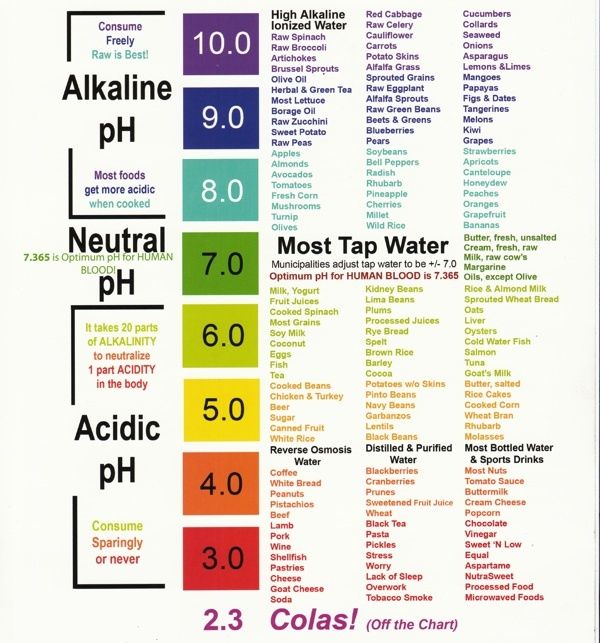
8. Go Green! Most people’s bodies are acidic from stress and toxic diets. When the body’s PH is not in natural balance, sickness, weight gain, depression andlow energy can occur. By incorporating more high PH foods, such as green vegetables and fruits, the body can come back to equilibrium with renewed vitality. In some cases people take this too far and become too alkaline, but for the most part, transitioning to an alkaline diet is going to have very beneficial results.
9. Get Soaked: Soaking raw nuts, raw seeds, legumes and ancient grains breaks down enzyme inhibitors allowing smooth digestion and nutrient assimilation. The standard soak time for all of the above is about 5-8 hours or overnight.
10. Plant-based Proteins: A helpful consideration, especially to the planet, is cutting down on animal forms of protein and switching to plant-based sources. Ahhhhh, the biggest question I have heard all my life, “Where do you get your protein?” I will now ask you a question, “Where does a cow, chicken and elephant get its protein?” The animals get all the protein they need from a plant-based diet. Protein is in fruits, vegetables, legumes, nuts and seeds. Broccoli is 50% protein! Cooking changes the molecular structure of animal proteins often rendering it unusable by the body. In most cases over half of the bioavailable protein in cooked meat is lost and even more in pasteurized dairy. My favorite forms of vegan protein are bee pollen (rich in vitamins & minerals and has 14.4g per 1/4 C), pea protein (super bio-available and 10.6g per 1/4 C & more from theprotein powder), spirulina, flax seeds, hemp seeds, chia seeds, black beans, macadamia nuts just to name a few. Click here for a full list that I’ve put together & click here for a website with awesome vegetarian recipes!
11. Good Fats: Incorporate good fats into your diet, cold-pressed organic oils such as olive oil, coconut oil, sesame oil, hemp oil and avacados! Doing this will increase brain function and make the skin subtle. Many of the fats in packaged foods and at restaurants, even in organic products, are rancid which clogs the gallbladder. Be aware of your choices and feel free to do occasional gallbladder cleanses to clear out built up rancid fats.
12. Grains: Around the 1960’s the dawn of radiologically induced mutations where successive generations of chemically hybridized wheat cultivars shifted glutenin and gliadin from healthy protein to toxins, created wheat created allergies and sensitivities. Ancient grains (pre-modified) such as likeemmer, spelt and einkorn are more easily digestible and don’t cause body inflammation. You can also choose from a variety of “grass seeds” or non-grain options if that works better with your system, such as: quinoa, buckwheat, hemp based products (granola, etc), coconut flour, almond flour, mesquite flour, wild rices. Remember to introduce soaking (#8) and fermentation (#6) to your baking and making, for better digestion and assimilation of these foods.
13. Incorporate Raw: As I already shared above, fresh food have a high vibration, living enzymes and nutritional content is higher when it is left raw. Many foods, when cooked, become toxic which create antibodies in the removal of these toxin, rather than using the body’s natural digestive enzymes. A more raw, plant-based diet will bring back our body’s natural digestive enzymes, but you may need to supplement digestive enzymes as you transition your diet. In my explorations, almost everything you can dream of can be made raw like jelly, cakes, brownies, pizzas, lasagna…When I first started, I thought raw meant living on apples and salad! Nope, there are so many possibilities. Let this be a chance to curiously explore how you can keep your fruits, veggies, seeds and nuts alive! When you do need to warm or steam vegetables in the fall and winter season, tune into them and don’t over-cook. Many legumes, starches, and root vegetables need to be “cooked” to make their medicines bioavailable. Even when preparing these, a roaring boil means they’re taking their last scream of life before they die. Click here to read the blog I wrote with recipe ideas and how to medicinally “cook” these items.
14. Coffee & Stimulants: Intaking these substances gives you a false sense of energy and actually fatigues the adrenals which depletes the kidneys. Long-term, this leads to premature aging due to draining your essential life-force (known as “Jing” in Chinese Medicine). There are many coffee alternatives on the market now that have the tasty satisfaction without the crash:Teeccino or Chaga Tea to name a few. If you can’t give up your coffee, at least lower your intake, or add in herbal kidney/adrenal balancers – Jing supplements. Coffee is acidic which lowers the body’s energy levels, but by incorporating a higher alkaline diet and gentle cleansing, you can regain your essential energy and may no longer need the pick me up.
15. Take Time For Yourself: Above all!! Take time to rest, get proper sleep, relax, do what you love and LAUGH. This is the best thing for your body-mind and soul.
Please visit Bridget’s amazing website HERE!
Image: Pixabay
See EXCLUSIVE In5D videos and ad free articles on Patreon for a minimal donation! https://www.patreon.com/in5d
Follow In5D on Patreon, Telegram, Twitter, Bitchute, TikTok, Instagram, Facebook, YouTube, Gab, and Truth Social @greggprescott