



Melatonin Supplement To Open Pineal Gland

Compiled by Gregg Prescott, M.S.
Founder, Webmaster, & Editor, In5D.com
I’ve been researching Melatonin and how it is secreted from the pineal gland:
Donate to In5D
With over 6,000+ free articles and 1,200+ free videos, any donation would be greatly appreciated!
Much love for your kind donation,
Gregg
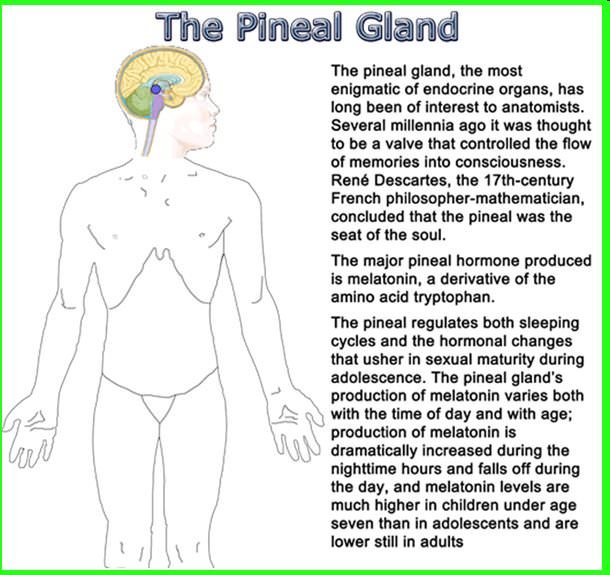
The pineal gland (also called the pineal body, epiphysis cerebri, epiphysis or the ‘third eye’) is a small endocrine gland in the vertebrate brain. It produces Melatonin
This gland is activated by Light, and it controls the various biorhythms of the body. It works in harmony with the hypothalamus gland, which directs the body’s thirst, hunger, sexual desire and the biological clock, that determines our aging process.
The retinal clock, produces (stimulates the production of?) melatonin. Researchers are now looking for the exact location (s) of this clock, in the human eye, (and expect to find it). No one yet knows, what the separate clock is for, or how it relates to the SCN.
When puberty arrives, melatonin production is reduced.
The pineal gland secretes melatonin, during times of relaxation and visualization. As we are created by electromagnetic energy – and react to EM energy stimuli around us – so does the pineal gland.
source: http://www.strayreality.com/Lanis_Strayreality/thirdtyepinealgland.htm
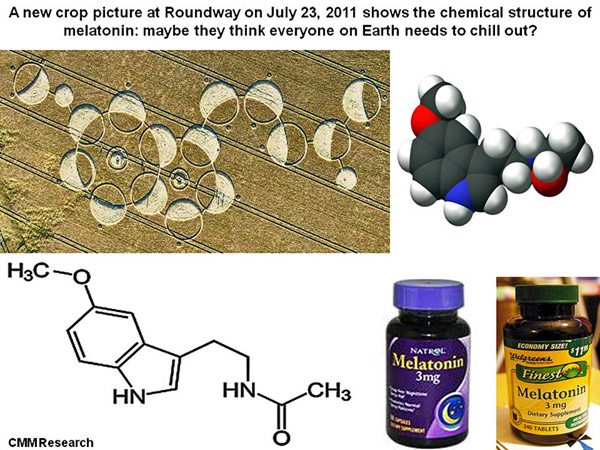
In a July 23, 2011 crop circle, the basic chemical composition of melatonin is diagrammed by the crop circle makers. What do you suppose this crop circle message means and how does it relate to melatonin?
Melatonin
Benefits of Taking Melatonin
Melatonin supplements
The Food and Drug Administration (FDA) does not regulate the use of supplements and has issued a general warning regarding the use of supplements of any kind: follow the dosage on labeling and seek medical help if there are side effects.
Melatonin
Benefits
The NIH have found that generally, administering 0.5 to 50 mg of melatonin can help an individual fall asleep. Some studies suggest sleep latency (the time it takes to fall asleep) is reduced when melatonin is taken 30 to 60 minutes before bedtime. This is true for adults over 18.
Significance
For people with chronic sleep disorders, melatonin may be a useful supplement. If you have a long-standing history of sleep difficulties, see your doctor. People may find that they are able to overcome jet lag more quickly by taking melatonin close to the time they would like to sleep, for several days. Elderly people with insomnia and those with delayed sleep syndrome (where sleep latency is longer) have found some relief from taking melatonin.
Melatonin supplements
Identification
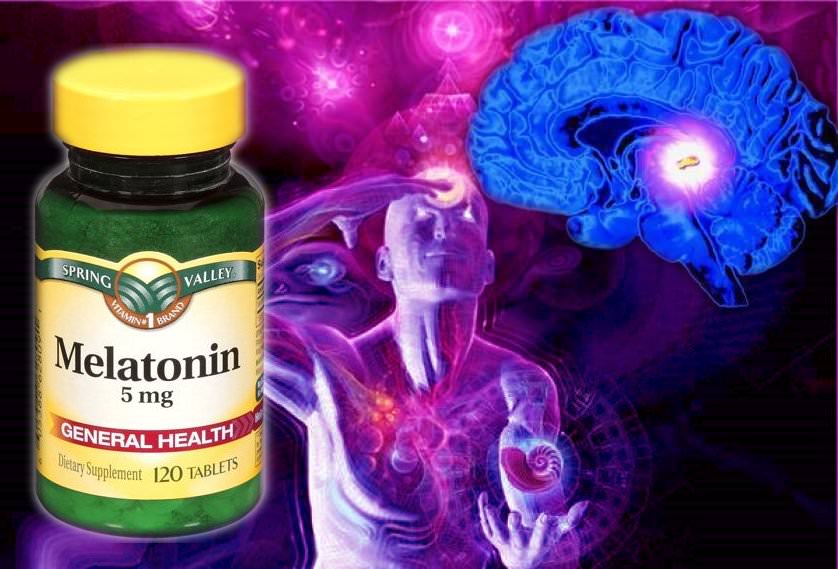
Melatonin is made in the brain by the pineal gland. During darkness, melatonin levels are greatest. During brightness, these levels are low. For this reason, melatonin is believed to affect the body’s circadian rhythms of waking and sleeping. People usually take synthetic melatonin supplements for sleep disorders or to reduce jet lag.
Considerations
If you have any chronic diseases such as diabetes, high blood pressure or any coronary heart diseases, see your doctor before taking melatonin.
Studies report that melatonin side effects include increased blood pressure that can occur with the use of melatonin. The NIH have analyzed many studies already completed on melatonin, but in many cases has called for more studies of its long-term effects.
Warning
Side effects include dizziness, headache, fatigue, irritability, vivid dreams and nightmares. As daytime sleepiness can occur when using melatonin, people are warned against its use if they operate heavy machinery. If you have a history of blood-clotting disorders, or are taking the medication Wayfarin or any blood-thinners, see your doctor before taking melatonin.
Abnormal heart rhythms and increasing blood pressure have also been reported with melatonin use in some people. If you have hypertension or any coronary heart diseases, consult your physician.

In5D Addendum
Gregg Prescott, M.S.
Founder, Webmaster, & Editor, In5D.com
My experiences with melatonin are generally as a sleep aid on the rare occasion that I am unable to fall asleep. That being said, my dreams are usually quite amazing on the nights that I’ve taken melatonin.
If you have a sleep disorder and are taking a prescribed medication such as Ambien, you may want to ask a holistic physician if Melatonin would be a better option. Your pineal gland will thank you.
Sending you all infinite LOVE and Light!
Gregg
Click here for more articles by Gregg Prescott!


Donate Crypto: https://cointr.ee/in5d
Image: Pixabay
See EXCLUSIVE In5D videos and ad free articles on Patreon for a minimal donation! https://www.patreon.com/in5d
Follow In5D on Patreon, Telegram, Twitter, Bitchute, TikTok, Instagram, Facebook, YouTube, Gab, and Truth Social @greggprescott